Vetty Creations header

Back to Vetty Creations website

White Threads

Newish show products

There are a few of other things that I’ll have at this year’s Sydney Craft and Quilt Fair that I’ve added to the Vetty Creations product range in the last year, since the previous craft show. You’ll be able to see and touch them for the first time. Seeing in real life is a little different to seeing on a screen! And we all know that textiley people often like to see and touch – we’re visual, tactile people!

And of course, if you’re unable to make it to the show, you can order these products through the website, as always!

Hvitsøm pendant kits
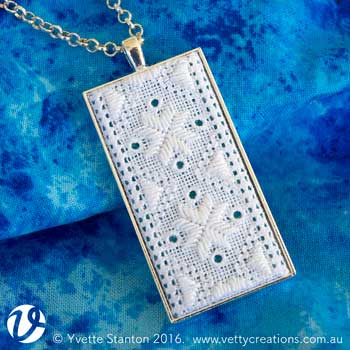
Hvitsøm pendant kit

Hvitsøm means “whitework” in Norway. It looks a little like Hardanger embroidery, but without the cutwork. This pretty little Hvitsøm pendant kit contains all you need to make your own beautiful hvitsøm pendant, including comprehensive step-by-step instructions. Buy it at the show, or order yours here.

Dovo Hardanger scissors

Dovo Hardanger Scissors

Dovo Hardanger scissors are simply gorgeous to use. Using them is like cutting butter, they’re so lovely and so smooth. They have been designed specifically for Hardanger, in that their points are very pointy and very sharp. It means you can get in close and cut threads without leaving whiskers. Of course, you can use them for any sort of embroidery – it doesn’t have to be Hardanger! Buy a pair at the show, or order your own Dovo Hardanger scissors here.

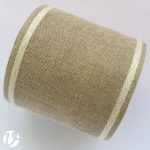
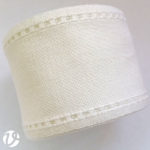
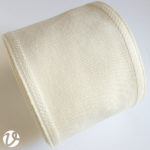
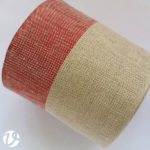
Vaupel and Heilenbeck Linen banding

Vaupel and Heilenbeck 981
V&H 981
Vaupel and Heilenbeck 975
V&H 975
Vaupel and Heilenbeck 950 linen banding
V&H 950
Vaupel and Heilenbeck 2027
V&H 2027

In preparing my stock list for the show (basing it on last year’s list) I realised that last year I only had one type of Vaupel and Heilenbeck linen banding available. Well, I’ve added more since then! I’m excited to show these gorgeous 28 count linen bandings to you. People often ask “what can I use them for?” You can use them for anything you like, but some suggestions are bookmarks, needlecases, potpourri sachets, curtain tie-backs, or an embroidered band across a skirt, bag, book or cushion. Does that help?! Purchase linen banding at the show, or you can order some here.

Weddigen linens

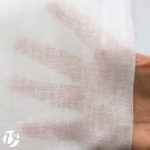
See-through Weddigen 121 linen
Weddigen 121 (50ct)
Weddigen 40 count linen, Weddigen Artikel 925
Weddigen 925 (40ct)
Weddigen 34 count linen, Weddigen Artikel 160
Weddigen 160 (34ct)
Weddigen 22, 50 count linen
Weddigen 22 (50ct)

It was a total surprise to me to realise that I didn’t have the lovely Weddigen linens at last year’s craft show. I will this time! There is a range of linens, from 34 count, 40 count, and two types of 50 count linen (one is gauzy and see-through, the other is not). These fabrics are suitable for counted embroidery of many kinds, and non-counted embroidery too. For example, the 34 count is often recommended for Schwalm embroidery, and the gauzy 50 count linen is perfect for shadow embroidery. Buy these linens at the show, or purchase online here.

So, if you can, please visit me at the Sydney Craft and Quilt Fair. I’ll be at Vetty Creations Stand D06, at the International Convention Centre, Sydney. 22nd-25th June 2017, 9am-4:30pm daily.

To find me, enter through the front entrance, turn left, head to Aisle D, then I’ll be the second stand on the right. I’ll have an orange flag flying above the stand to help you find me. I’ve expertly marked my position on the map below.
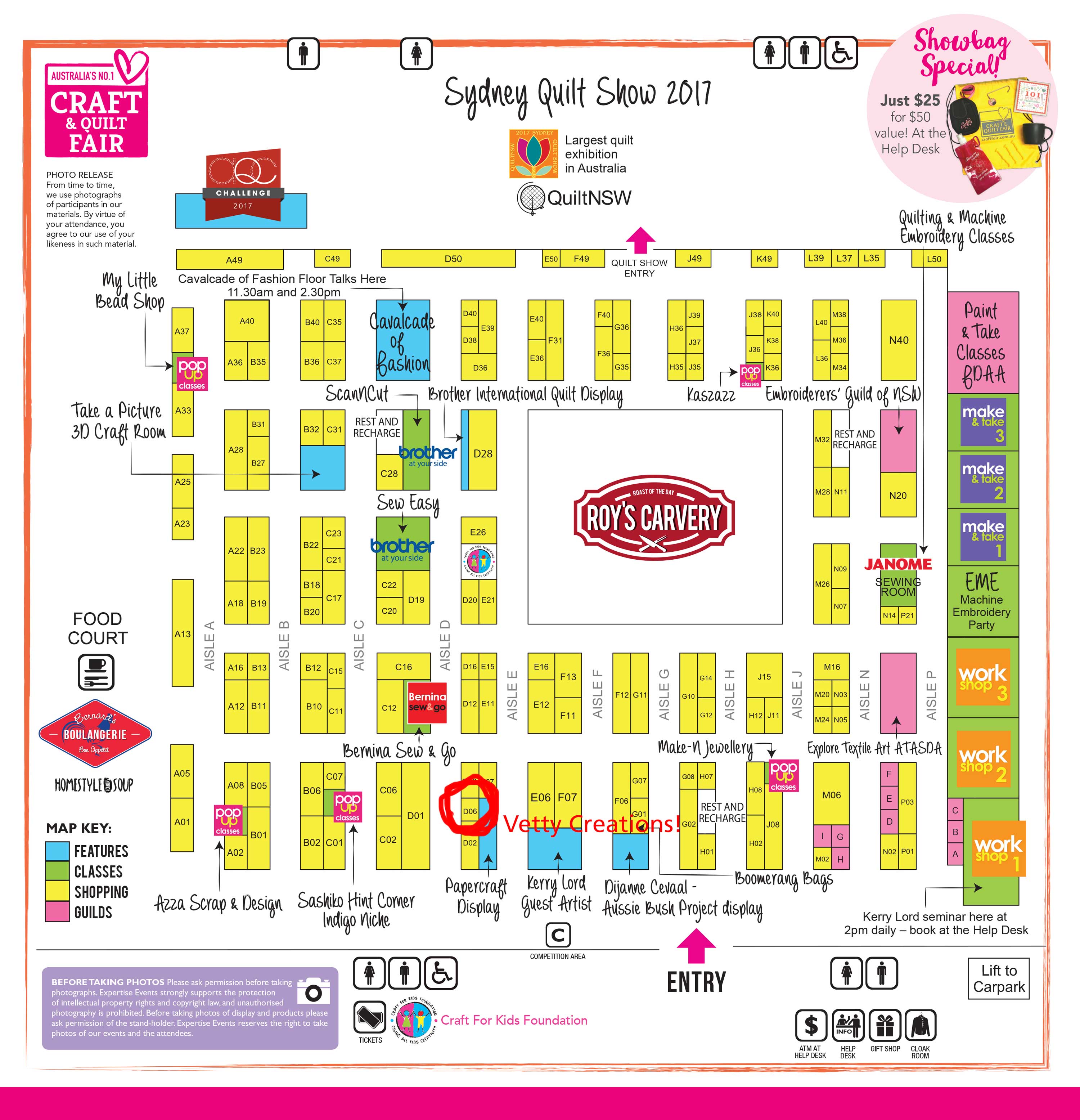
Vetty Creations at the Sydney Craft and Quilt Fair

Vetty Creations is circled in red.

June 19th, 2017 | Category: exhibitions, Introducing..., new products, White Threads Blog | Leave a comment

New linen banding: white with woven white border

Vaupel and Heilenbeck 950 linen banding

Vaupel and Heilenbeck 950 linen banding

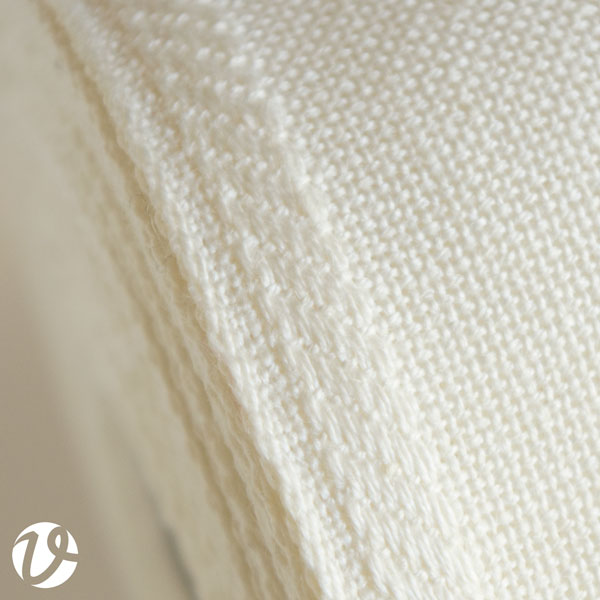
Another product I’ll be debuting at the Sydney Craft and Quilt Fair, along with the Sardinian Knotted Embroidery Lavender Sachet Beginners Kit, is a beautiful creamy white linen banding: Vaupel and Heilenbeck Article 950.

VH950-12cm-white-detail

This lovely linen banding is 28 count (28 threads per inch), 10cm wide, with a self-striped woven border along each side. The diagonal stripes in each side mirror each other, so stripe in opposite directions.

The linen is white, but rather than being a bright white is a lovely creamy white.

This linen banding is made by German linen banding specialists, Vaupel and Heilenbeck. If you’ve seen their bandings, you’ll know what high quality they are, with lovely plump, polished-looking threads.

You could use this banding for a needlecase, potpourri sachet, an embroidered band across a cushion, bag or skirt, or on a towel. The banding could be embroidered with cross stitch, Hardanger, Sardinian knotted embroidery, merezhka, blackwork or any other embroidery for which 28 count fabric is suitable.

If you’re visiting me at the Sydney Craft and Quilt Fair, you’ll find me at Stand D06. Enter in the front entrance, turn left, head to Aisle D, then walk down a little to find me at Vetty Creations, Stand D06. The show runs from 22nd to 25th June, 9 – 4:30 daily, at International Convention Centre, Sydney at Darling Harbour. I’ll have an orange flag above the stand, so hopefully that will assist you in finding me!

If you’re not able to visit the show – I know that not everyone lives in or near Sydney! – you can order the linen banding through the Vetty Creations website. Please note that online orders of this linen banding will not be sent until after the show concludes. This gives me a chance to show it off to the craft show customers.

June 16th, 2017 | Category: Introducing..., new products, White Threads Blog, whitework | Leave a comment

New kit: Sardinian knotted embroidery lavender sachet beginners kit

Sardinian knotted embroidery lavender sachet beginners kit

Sardinian knotted embroidery lavender sachet beginners kit


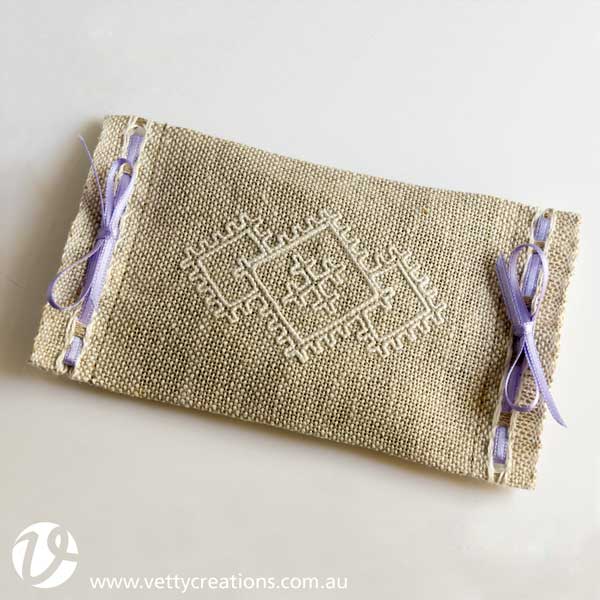
At the Sydney Craft and Quilt Fair, I will be debuting a new Sardinian knotted embroidery kit for beginners. At previous shows, people have wanted something small to learn on, so this has been specially designed for those people.

This lavender sachet features punt ‘e nù, which is a technique originating from Teulada in southern Sardinia. The step-by-step instructions with clear diagrams will take you through the process of working the embroidery.

The stitch used for Sardinian knotted embroidery is quite simple. The difficult part is putting the knots in the right place. This project uses linen with natural coloured threads for the weft, and white threads for the warp, which makes it easier to choose the correct place to insert the needle. As soon as I saw this linen banding I knew it would be perfect for beginners to learn on.

Embroidered lavender sachets are not only pretty to look at, they are also useful for keeping moths at bay, as lavender is a natural deterrent for moths. This project makes a beautiful gift – either for the recipient to stitch themselves, or as the finished product.

Because lavender is a plant product, and plant products can be difficult to send around the world due to quarantine regulations, dried lavender will not be included in kits posted to destinations outside of Australia. The price reflects this difference in the kit contents. You could dry your own lavender, use locally sourced dried lavender, or fill your sachet with any sort of dried flowers or potpourri.

Sardinian knotted embroidery lavender sachet beginners kit
Sardinian knotted embroidery lavender sachet beginners kits are now available to order from the website, but will not be sent until after the craft show finishes on 25th June. This is so that show attendees get first dibs, but of course, I don’t want others who don’t live anywhere near Sydney, to miss out!

Order yours now!

June 15th, 2017 | Category: exhibitions, Introducing..., making stuff, new products, Punt 'e Nù, Sardinian Knotted Embroidery, White Threads Blog | Leave a comment

Overcoming creative blocks

Following on from yesterday’s post about creative problem solving, sometimes the creative process stalls a bit. What do you do when you’re working on making/designing something, and you get a bit stuck? You don’t know what to do next, or you don’t know how to move past the point you’re at.

If I’m stuck on something, and there’s something I can’t solve, I generally think through the whole thing, and then move on. I let it percolate for some time, usually days. I’ll turn it over in my mind again, if I think of it. And then I’ll let it go again. Usually, some time later, an idea will pop into my mind, and it will solve the problem, or be a new way of looking at it, that promotes new ideas.

It seems to me that NOT thinking about it sometimes solves a problem better than if I do think about it. Sure, sometimes brainstorming works, but more often than not, not thinking about the problem will bring me more innovative ideas. Perhaps the subconscious mind is better than the conscious mind at problem solving.

How do you move past those mental blocks? Do you brainstorm? Do you not think about the problem? What helps you get going again?

June 7th, 2017 | Category: designing, making stuff, White Threads Blog | 6 comments

Creative problem solving

When I was doing my degree in Visual Communication at university, in first year, we did a subject called “Creative Problem Solving”. Being the young, green, immature designer that I was, I thought it was such a useless subject. I don’t know that I got a great deal out of it. Maybe the course content wasn’t great, or maybe I just wasn’t ready for it.

I now recognise that creative problem solving is one of the things I love doing most. Whether it is a designing an embroidery, designing a poster, laying out a page, designing our new kitchen (quite some years ago now!), designing my office space or something else that needs solving, it’s this problem solving that I really, really enjoy. I love the mental challenge it brings. I love pushing a design further and further to see how I can keep introducing new ideas to make it better or different.

When I was at uni, I don’t think I was very good at pushing my designs. I recognise in my children that they are getting better at it in their artmaking (both of them love art at school). I am glad that I learnt to push myself to not settle for the first idea. The first idea is rarely the best. Usually all it is is a springboard to work from. It might contain the germ of an idea, but rarely is it THE idea.

planning and designing my new office space

planning and designing my new office space

I recently redesigned my office space. It had become a total (and I mean total!) mess, and was no longer useable because *I* couldn’t fit in there! So with the help of my husband I cleared it out, and started again. I thought about all the things I needed to store. I thought about all the things I would do in the space and planned storage for the relevant stuff nearby. We invested in new storage cupboards, bookshelves, a large desk and a huge work table with storage underneath. I love working in there now. It’s a lovely, restful, useful, creative space. The process of designing the space was so much fun. It was just one big problem to be solved.

When I’m designing an embroidery, I design on computer. I’ll start with my initial ideas and get them down. Then I’ll save a copy of the file and start moving things. I’ll change things. Then when I’m happyish with it (or really not happy with it!) I’ll save a new copy and move onto the next iteration. I’ll think, “What if I tried this?”, and I’ll try it.

It’s not unusual for me to have many, many iterations before I’ll come up with one that I’m really happy with. I might go back to previous versions and see if there is something in one of those files that I can take and add to the current one. Or I might just enjoy looking at the earlier ones to see how far the eventual one progressed from them, and improved so much.

My computer is littered with half-finished designs. But I don’t see this as a waste of space or as a waste of my time. Rather it is an integral part of my design process. Sometimes, I’ll go back many years later and see if I can use or adapt one of those very old designs for something new. They’re quite a treasure trove of ideas, after all.

This process would be much harder, I think, if I was designing on paper. But you can trace, and photocopy, and cut up, and flip, and turn.

How do you develop your ideas?

June 6th, 2017 | Category: designing, making stuff, White Threads Blog | 4 comments

The Sydney Craft and Quilt Fair is coming soon!

Come visit me at the Sydney Craft and Quilt Fair!

I’ll be back again at the Sydney Craft and Quilt Fair this year, and we’ll be back at Darling Harbour! The show is on from Thursday 22nd until Sunday 25th June.

Sardinian knotted embroidery beginners kitI’ll have a new beginners Sardinian knotted embroidery kit, perfect for all those who want to learn but aren’t sure where to start. I’ll have more information on this pretty lavender sachet kit in coming days.
I’ll also have the Dovo Hardanger embroidery scissors with me, and you can see for yourself how special they are. And there will be new linen banding, and beautiful Weddigen linen you may not have seen before.

But the big news is that I will have some of the projects from my next book on display. This book is due to be published next year. I’m so excited to be able to reveal what the book’s focus is, and what “new/old” style of embroidery you’ll be learning from me next. So come along and get your sneak peek!

I’ll be at Stand D06. This means when you enter through the front entry, turn left and head to Aisle D. I’ll be a short way down that aisle. Just look out for the orange flag above the stand. Hopefully you’ll be able to see where I am from a way away!

I look forward to welcoming you!

June 2nd, 2017 | Category: exhibitions, Introducing..., new products, Sardinian Knotted Embroidery, White Threads Blog, writing books | 2 comments

Vote for my hardanger embroideries!

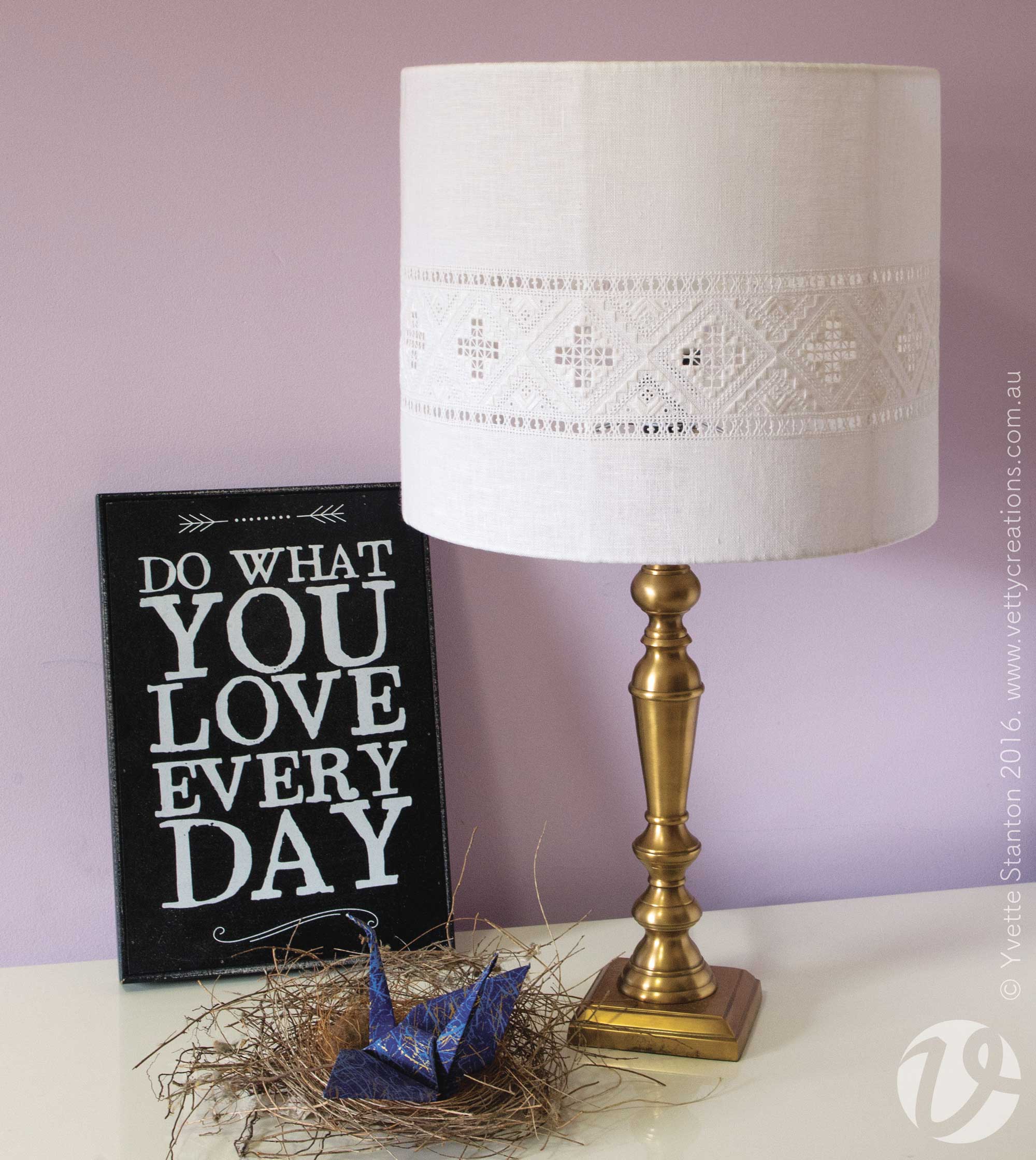
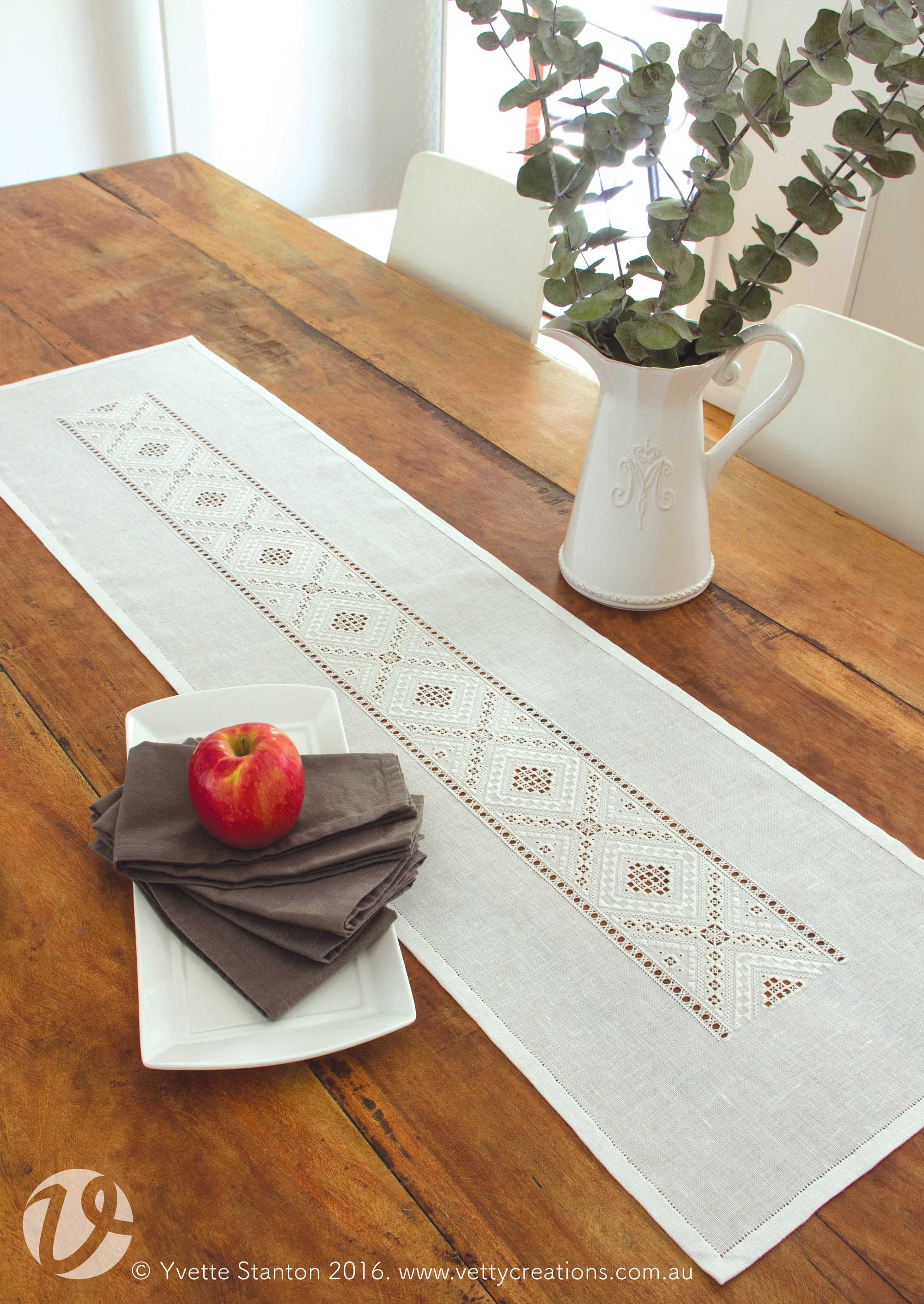
I’ve entered two of my embroideries from “Early-Style Hardanger” in the Fabrics-Store.com Home Decor Contest. I’d love it if you’d vote for my entries. You can vote once per day until 16th June.

Hardanger lampshade

Hardanger runner

My entries can be found at:
http://www.fabrics-store.com/thestudio/index.php?r=photo/detailedPhoto&contest_id=833949&id=2553
and
http://www.fabrics-store.com/thestudio/index.php?r=photo/detailedPhoto&contest_id=833949&id=2551

Of course, you can vote for any of the entries that you like, but I’d love it if you voted for mine! 🙂

June 1st, 2017 | Category: Early-Style Hardanger, hardanger, White Threads Blog, whitework | Leave a comment

A lovely review of “Early-Style Hardanger”

Thank you Yvette Stanton for a great book, Early-Style Hardanger

I received a lovely message from a happy stitcher.

“Thank you Yvette Stanton for a great book, Early-Style Hardanger. It taught me a lot about the history of hardanger and wow, the reference on stitches. With this book I think I could stitch almost anything. Brenda B”

Thanks so much, Brenda. It is always lovely to hear from people who enjoy my books!

May 29th, 2017 | Category: book reviews, Early-Style Hardanger, hardanger, White Threads Blog, whitework | Leave a comment

Part of the DMC family

I saw this video yesterday, about making thread at DMC.


If you’re reading this in an email, you can find the video at https://www.youtube.com/watch?v=6M7CtTwGo2o

I don’t know if I’ve mentioned this before, but ever since I have learned of it, I have been pleased to know that I am related to DMC – the thread company. DMC (Dollfus, Mieg and Company) was founded in the 1700s by Jean-Henri Dollfus, in Mulhouse in France.

It just so happens that some of my ancestors (Weiss) also lived in Mulhouse (one was the mayor at one stage), and were associated with both the Dollfus and Mieg families, with the families intermarrying.

That means that I, an embroiderer and embroidery designer, am related to DMC. That makes me very happy as it seems very apt.

Are you related to any embroidery “royalty”? Can you top my story for embroidery aptness?

May 25th, 2017 | Category: embroidery musings, White Threads Blog | 2 comments

What I use to make my charts

A question that more and more people are asking me is “What do you use to create your charts?” So I think it’s time that I explain what I use to make my Hardanger (and other forms of embroidery) charts, and while I’m there may as well explain the other programs I use in my day to day design work.

I am a graphic designer by training, specialising in book design. That means I use a suite of graphic design and illustration programs when I am working on my books. I am working on a Mac computer, because that is generally regarded as the industry standard for graphic designers.

For my charts and illustrations, I use Adobe Illustrator. This is a vector based illustration program. It is not a Hardanger (or other type of embroidery such as merezhka, Sardinian knotted embroidery, Guimarães embroidery etc) charting program. This means that you start with a blank page and have to create everything to go on it. It has a large learning curve, but if you have the time and inclination to learn it, it can certainly be used for making Hardanger charts.

As I have been working with it for many years, I have built up a library of motifs that I can drag and drop into my charts, although I regularly have to create new ones to illustrate things I haven’t drawn before. These many years of working with the program have helped me to refine and quicken my methods so that now I can do a very involved chart in a day or so.

I think that one of the standard Hardanger charting programs would feel really limiting and annoying to me. It probably wouldn’t draw things the way I want them drawn. And people do say that they love the clarity of my charts, so I think that my finicky-ness with wanting them “just so” is probably worth it. I have never used any other program for creating charts, so cannot specifically comment on any of them.

Using illustrator

This shows a close-up of one of my Sardinian knotted embroidery charts that I’m working on, in the Illustrator environment.

I also use Illustrator for creating the diagrams in my books. Again, years of working with the program means I have a library of ground fabrics, needles, fingers and different types of thread that I can use to create my illustrations.

For my photos, I take the photos in raw format and then open them up and work on them in Adobe Photoshop. This is a pixel based program (dots, as opposed to lines/vectors as are used in Illustrator). I’m still always learning things about Photoshop. Youtube and online tutorials are great for continued learning.

For laying out my books, I use QuarkXpress. This used to be the industry-standard graphic design layout program. The market has now shifted to Adobe Indesign. I’ve never used it though, and don’t know when I’d find the time to change over. I guess one day I might have to, but for now, Quark works really well for me. If I was starting out now, I’d probably use Indesign.

None of these programs are cheap. However, if you’re wanting to give them a try, you can probably get a free trial. At the time of writing this, each program offered a free trial. This would be a worthwhile thing before launching into using an expensive program that you’re unsure about.

If you have any questions, please don’t hesitate to ask.

May 22nd, 2017 | Category: designing, hardanger, Portuguese embroidery, Sardinian Knotted Embroidery, Ukrainian Drawn Thread Embroidery, White Threads Blog | 4 comments
« Newer Entries  
  Older Entries »
Yvette Stanton White Threads is the blog of Yvette Stanton, the author, designer, publisher behind Vetty Creations' quality needlework books and embroidery products.

New book now available!

Hardanger Filling Stitches
Hardanger Filling Stitches by Yvette Stanton. Order your copy today!
Find us on Facebook

Archived posts

Categories

  • book reviews (88)
  • Christmas ornament swap (13)
  • colour (6)
  • crazy hair (6)
  • customer embroidery (49)
  • designing (119)
  • dressmaking (26)
  • Early-Style Hardanger (91)
  • Elegant Hardanger Embroidery (42)
  • Elizabethan embroidery (25)
  • Embroidery classes (189)
  • embroidery musings (436)
  • embroidery stitches (206)
  • errata notices (11)
  • Ethnic embroidery (49)
  • exhibitions (111)
  • exploring the needlework internet (10)
  • favourite needlework items (69)
  • FlossTube (102)
  • Frisian whitework (73)
  • goldwork (12)
  • hardanger (232)
  • Hardanger Filling Stitches (72)
  • Hardanger Filling Stitches (1)
  • hints and tips (114)
  • historical embroidery (119)
  • how-to videos (34)
  • illustration (1)
  • Inspirations (25)
  • Introducing… (90)
  • left handed embroidery (78)
  • magazines (10)
  • making stuff (271)
  • merezhka (35)
  • mountmellick embroidery (176)
  • Mountmellick Embroidery: Inspired by Nature (60)
  • mountmellick supplies (49)
  • new products (104)
  • online book previews (7)
  • pattern darning (19)
  • pattern drafting (11)
  • photography (2)
  • Portuguese embroidery (166)
  • Portuguese Whitework: Bullion Embroidery from Guimarães (74)
  • public thanks (32)
  • published projects (27)
  • Punt 'e Nù (32)
  • Sardinian Knotted Embroidery (77)
  • sewing tips (9)
  • Smøyg (41)
  • Smøyg: Pattern Darning from Norway (39)
  • soapbox (6)
  • stitch along (44)
  • stitch dictionary (45)
  • teaching embroidery (192)
  • The Left-Handed Embroiderer's Companion (104)
  • The Right-Handed Embroiderer's Companion (70)
  • travel (172)
  • Ukrainian Drawn Thread Embroidery (35)
  • Uncategorized (169)
  • video previews (5)
  • White Threads Blog (91)
  • whitework (364)
  • writing books (306)